
Witches, Healers and Makers: Reclaiming the Magic of Occupation This Halloween

Honouring occupational therapy's creative roots, ancestral traditions and the power of collective occupations to transform healthcare.
-Author: Dr. Josie Jarvis, PP-OTD, MA-OTR/L, BA, BS-
Josie is a U.S.-based home health occupational therapist, applied occupational scientist, founder of the Evolved Living OT/OS Collaborative and host of the Evolved Living Podcast. Her interdisciplinary work explores critical and co-constructive approaches to implementation science, occupational justice and the revival of folk art and Arts and Crafts traditions as pathways for collective healing, knowledge translation and community-led social reform across cultures and borders.

Every autumn, witches, cauldrons, handmade costumes and magical healing traditions return to our cultural imagination. Neighbourhoods come alive with decorations, families prepare celebrations and communities gather through familiar traditions, such as trick-or-treating.
Meanwhile, in Mexico and Mexican communities around the world, Día de Muertos brings families and communities together through ofrendas, marigolds, food, music, storytelling and remembrance of loved ones who have died. Although Halloween and Día de Muertos have distinct histories and cultural meanings, both offer opportunities to explore how creative occupations connect people across generations.
These traditions remind us that making, gathering, remembering and celebrating are more than seasonal activities. They can sustain cultural knowledge, strengthen relationships and create meaningful opportunities for belonging.
For occupational therapy practitioners, this season also offers an invitation to reconnect with our professional ancestors and the creative, holistic and reform-oriented movements that helped shape our profession.
What might these traditions teach us about healing, professional autonomy and the collective power of meaningful occupation?...
Witches, Midwives and the Politics of Healing
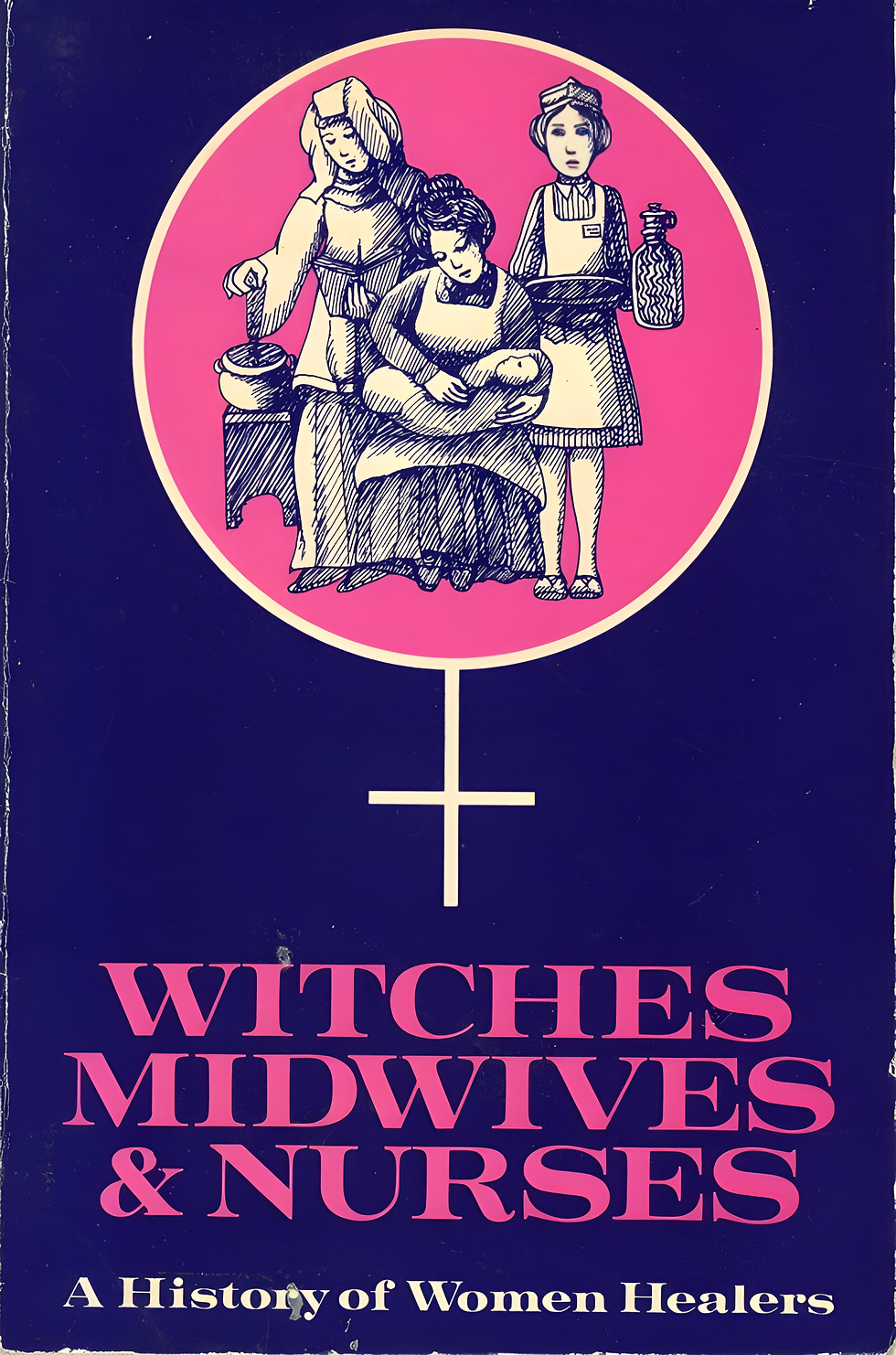
Behind Halloween's familiar imagery of witches and herbal remedies are complicated histories of healing, gender and social authority.
During the European witch trials, thousands of people, predominantly women, were persecuted and executed under accusations of witchcraft. Although the popular narrative that accused witches were primarily traditional healers is historically contested, these events reveal how gender, religion and social power influenced persecution (Levack, 2016).
In Witches, Midwives and Nurses, Ehrenreich and English (1973) explored women's historical relationships with healing and the professionalisation of medicine. Their work invites us to examine:-
whose knowledge receives recognition
how professional authority develops
how gender has shaped access to healthcare professions
These questions remain relevant to female-dominated professions navigating challenges involving compensation, professional autonomy, leadership and the recognition of holistic expertise.
For occupational therapy, these histories invite us to reflect on how professional knowledge is valued, whose contributions are recognised and how we can continue expanding access to meaningful, occupation-centred care.
From Folk Traditions to Occupational Therapy's Creative Roots

Across cultures, people have long cultivated healing knowledge and community relationships through meaningful occupations. Gardening, food preparation, textile arts, storytelling, music and caregiving have helped communities preserve knowledge, navigate hardship and sustain relationships across generations. These traditions belong to diverse cultures and people of all genders, with distinct histories that deserve recognition.
Centuries after the European witch trials, the Arts and Crafts Movement emerged in response to industrialisation, emphasising craftsmanship, creativity, meaningful work and human dignity. Alongside moral treatment and progressive social reform, these philosophies helped shape occupational therapy's early development (Levine, 1987).
Our professional ancestors recognised that weaving, pottery, sewing, gardening and other creative occupations could support health, identity, agency and participation. During World War I, reconstruction aides further demonstrated the value of therapeutic occupations in supporting injured service members (Quiroga, 1995). These practitioners helped develop rehabilitation approaches that future generations would continue expanding.
Occupational therapy's history is not simply a story of institutional recognition. It is also a history of people identifying unmet needs and developing creative, occupation-centred responses.
Ancestral Remembrance as Collective Occupation

The seasonal traditions surrounding Halloween and Día de Muertos offer especially meaningful examples of occupation's social and cultural dimensions.
During Día de Muertos, families may prepare favourite foods, create ofrendas, decorate with papel picado, arrange flowers and share stories honouring deceased loved ones. These occupations can support intergenerational knowledge transmission, cultural identity, remembrance and continuing relationships with ancestors.
Other communities throughout the world maintain their own distinct traditions of ancestral veneration and remembrance - through music, food, ritual, storytelling and collective gathering.
Halloween also offers familiar opportunities for creative and community participation. Consider the occupations involved in designing costumes, carving pumpkins, decorating homes, organising neighbourhood celebrations and accompanying children trick-or-treating. These activities involve creativity, planning, social participation, intergenerational relationships and engagement with the environments where we live. They can also create opportunities for neighbours who rarely interact to connect through shared traditions.
From an occupational science perspective, these celebrations demonstrate how meaningful occupations can contribute to belonging, cultural continuity and community life. They also remind us that participation is shaped by accessibility, safety, resources and social inclusion.
Not everyone can easily participate in neighbourhood celebrations, cultural gatherings, or community traditions. Creating more accessible opportunities for participation is therefore an important part of sustaining these collective occupations.
Folk Art as Resistance and Collective Care

Creative occupations have also played important roles in collective responses to injustice and social exclusion. The AIDS Memorial Quilt, established in 1987, transformed collective grief into public remembrance, education and advocacy during the HIV/AIDS epidemic (National AIDS Memorial, n.d.).
More recently, Minnesota's Stolen Neighbors Quilt brought community members together through thousands of fabric squares, recognising people affected by immigration detention and deportation (Cieslik, 2026).

These projects demonstrate how folk art can make overlooked experiences visible, while creating opportunities for connection, solidarity and collective participation.
Occupational science offers valuable frameworks for examining these processes. Concepts such as occupational consciousness invite us to consider how everyday occupations interact with social structures, power and opportunities for transformation (Ramugondo, 2015). Sometimes the most meaningful outcomes of an occupation extend far beyond the individual performing it...
From Folk Healers to Reconstruction Aides: Innovation Begins with Human Needs

Across history, communities have developed approaches to healing and collective care, in response to needs that existing institutions did not adequately address. Traditional healers, midwives and community caregivers often shared practical knowledge through relationships, apprenticeships and everyday occupations, sometimes operating outside formal medical institutions.
Occupational therapy's early development reflects a related tradition of responding creatively to human needs. During World War I, reconstruction aides helped demonstrate the value of occupation-centred approaches within emerging rehabilitation systems.
Today, we can see a similar spirit of innovation among occupational and physical therapy practitioners working to expand rehabilitation access following childbirth. Patients recovering from orthopaedic surgery commonly receive structured rehabilitation services, while people recovering from cesarean delivery may have limited access to comparable functional assessments and individualised rehabilitation support. Rather than accepting these gaps as inevitable, clinicians involved in initiatives such as Enhanced Recovery After Delivery are collaborating to develop new pathways for postpartum rehabilitation.
Like our professional ancestors, these practitioners are recognising unmet needs, drawing upon their expertise and working to establish services that existing healthcare structures have not consistently provided.
The historical circumstances differ, but the underlying commitment is familiar: When people experience unmet occupational and healthcare needs, meaningful innovation can begin with those willing to recognise the problem, collaborate and develop new possibilities for care.
Reviving Folk Art and Translating Knowledge Into Change
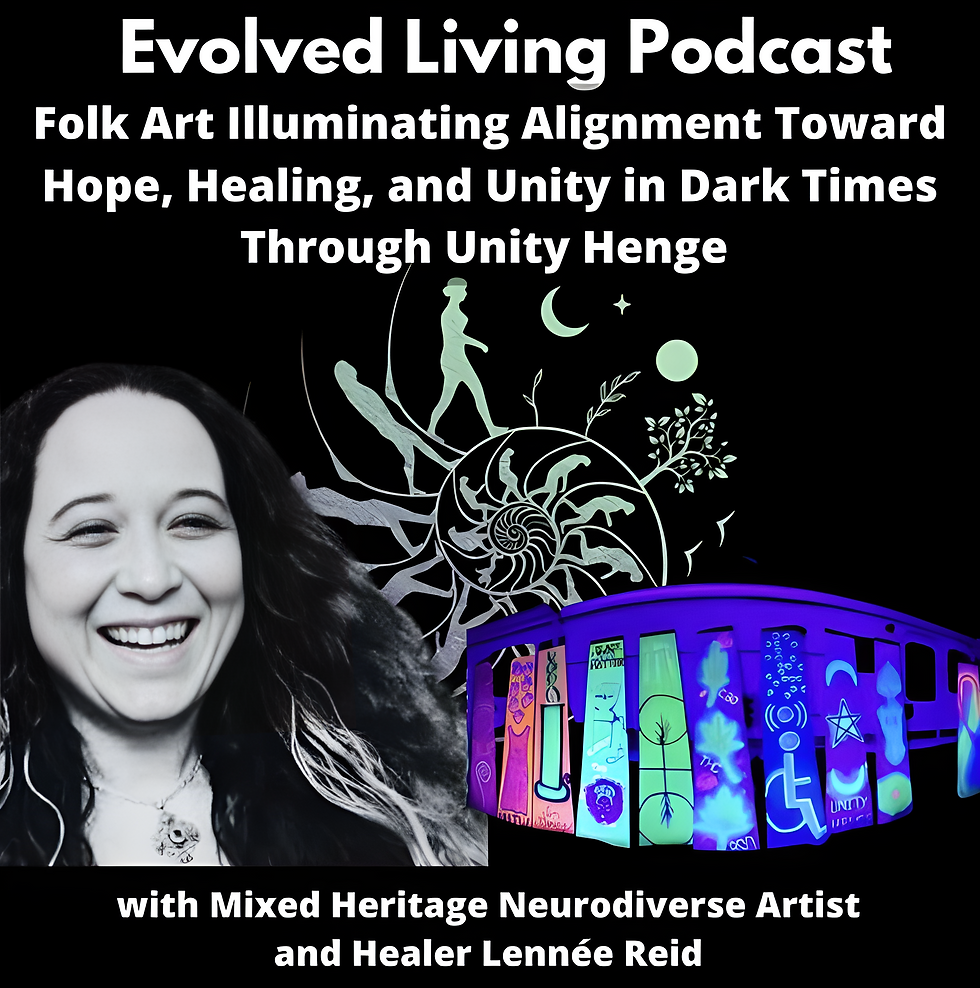
These connections are central to my own work, exploring community quilting, embodied social justice, occupational science and implementation science.
Through collaborative folk art initiatives and interdisciplinary scholarship, I have been examining how creative occupations can support dialogue across differences, communicate overlooked experiences and contribute to collective problem-solving. I am particularly interested in how community-based creative occupations can support knowledge translation, while implementation science helps us investigate how emerging innovations can be evaluated, adapted and sustained. The AIDS Memorial Quilt, contemporary community quilting movements and emerging postpartum rehabilitation initiatives demonstrate different ways people can respond collectively to unmet needs.
Through the Evolved Living Podcast and the Evolved Living OT/OS Collaborative, I continue exploring opportunities to connect practitioners, researchers, artists and communities around these possibilities.
Our professional ancestors helped establish occupational therapy by recognising unmet needs and developing new approaches to care. Perhaps one of the most meaningful ways to honour them is to continue doing the same.
Reclaiming the Magic of Occupation this Halloween Season

Whether you celebrate Halloween, observe Día de Muertos, participate in another tradition of ancestral remembrance, or simply appreciate the changing seasons, this time of year offers opportunities to reflect on the relationships between creativity, community and meaningful participation.
A few questions for reflection:
-Remember- Whose contributions to healing, healthcare, or community well-being have shaped your understanding of occupation?
-Reclaim- What creative occupations or cultural traditions help sustain connection, resilience and joy in your community?
-Include- How might familiar celebrations, from costume making to trick-or-treating, become more accessible and welcoming?
-Reimagine- What assumptions about healing, professional roles, or institutional traditions might be limiting our ability to respond creatively to unmet community needs?
-Create- How could your unique skills contribute to collective innovation, advocacy, or meaningful systems change?
For those interested in exploring these connections further, I've shared a free workshop examining Witches, Midwives and Nurses through occupational therapy and occupational science perspectives, within the Evolved Living OT/OS Collaborative.
This season, I invite you to celebrate our professional and cultural ancestors by making something beautiful, sharing knowledge, connecting with others and remembering that creativity and collective care remain powerful resources during difficult times. Perhaps the most powerful magic is what we create together.
-Declaration of AI use-
Article developed from author's original ideas, professional experiences and scholarly interests; assistance of generative AI for drafting, organisation, editing and reference formatting. Author retains responsibility for the content, interpretations and accuracy.
References
Ehrenreich, B., and English, D. (1973) Witches, midwives and nurses: A history of women healers. Feminist Press.
Jarvis, J. (Host) (2024, November 29) Folk art illuminating alignment toward hope, healing and unity in dark times through Unity Henge with mixed heritage neurodiverse artist and healer Lennée Reid (audio podcast episode). In Evolved Living Podcast. Available from: https://www.theothub.com/podcasts-evolved-living.
Levack, B.P. (2016) The witch-hunt in early modern Europe (4th ed). Routledge.
Levine, R.E. (1987) The influence of the Arts-and-Crafts Movement on the professional status of occupational therapy. American Journal of Occupational Therapy, 41(4), 248-254.
Martinez, C. (2026, October 1). Stolen Neighbors Quilt honors Minnesotans deported by ICE. Mpls. St.Paul Magazine. Available from: https://mspmag.com/arts-and-culture/stolen-neighbors-quilt-honors-minnesotans-deported-by-ice/.
National AIDS Memorial. (n.d.). History of the AIDS Memorial Quilt. Available from: https://www.aidsmemorial.org/quilt-history.
National Institutes of Health. (n.d.) AIDS Memorial Quilt (photograph). Wikimedia Commons. Available from: https://commons.wikimedia.org/w/index.php?curid=2685602.
Pelvic Health Network. (n.d.) Occupational and physical therapy practitioners developing new pathways for early postpartum rehabilitation. The Maternal Rehab Project. Available from: https://pelvichealthnetwork.org/maternal-rehab-project/.
Quiroga, V.A.M. (1995) Occupational therapy: The first 30 years, 1900-1930. American Occupational Therapy Association.
Ramugondo, E.L. (2015) Occupational consciousness. Journal of Occupational Science, 22(4), 488-501.
Shuraev, Y. (n.d.) Woman in white wedding gown standing beside woman in red dress (photograph). Pexels. Available from: https://www.pexels.com/photo/woman-in-white-wedding-gown-standing-beside-woman-in-red-dress-5607367/.
Trex, Y. (n.d.). Día de Muertos celebration (Photograph). Pexels.


Comments